8 Brand activations and why they are effective
What does it mean to activate your brand?
It means to bring it to life in a way your audience won’t forget.
That could be through an in-person experience like an event, or taking your audience by surprise by launching a campaign no one saw coming.
Brand activation can even take place online. The most important part is that it matters to your audience.
At Tecna, we’ve been redefining what it means to activate your brand since 2007 – with more of the creative thinking and none of the limits. In this blog, we’ll break down the eight types of brand activations you need to know before planning out your strategy.
Table of Contents
What is a brand activation?
What is the difference between experiential marketing and brand activation?
Why is brand activation important?
8 types of brand activations
Pop-up experiences
Product sampling
In-store brand activation
Guerrilla marketing
Social media engagement
Event marketing
Digital marketing strategies
VR and AR experiences
Creating a successful brand activation strategy
Real-life brand activation examples
For brand activation with no limits: Team Tecna
Frequently asked questions
What is a brand activation?
Brand activation refers to a marketing strategy focused on activating your brand’s story in your audience’s mind, ultimately driving brand awareness. Your brand goes from being something mundane in the customer’s life to something memorable.
Maybe you offer them a free sample of your newest product, something that solves their problems in new ways. Maybe you set up a stand at an event that encourages direct participation, drawing in potential customers whilst building your relationship with existing ones.
Either way, you’re giving your brand personality and making it more than a label on a product.
What is the difference between experiential marketing and brand activation?
The difference between experiential marketing and brand activation is that experiential marketing zones in on offering an experience.It’s also called engagement marketing for this reason. Brand activation, on the other hand, can take more forms – as long as the goal is to bring your brand to life.
The line between these two can get blurred because brand activation often uses experiential marketing to build brand awareness and connect with customers.
Why is brand activation important?
So, why does brand activation matter?
Your existing customers might use you for a particular service because it does the job – but how quickly would they be willing to change to another service? A successful brand activation campaign taps into the emotions to give them a reason to stay. Done right, it has the potential to create a strong sense of brand loyalty.
Find out why brand activation is a worthwhile investment in our full guide: What is Brand Activation?
8 types of brand activations
The strategies you need to know if you want to make an impact with brand activation.
Pop-up experiences
A pop-up experience is an event that literally pops up for a limited amount of time. Often anything but ordinary, they offer an experience your customers don’t want to miss out on.
For example, Jellycat – known for their highly sought-after plush toys – set up pop-up shops for new releases in New York, Paris, Shanghai and London. But more than that, they went the extra mile by theming each pop-up shop after the cultural food of the city it was based in.
In London, this had to be a fish and chips van – complete with themed fish and chip plushies that came wrapped in newspaper. Meanwhile, in Paris, customers could visit a Jellycat patisserie, with their favourite French pastries represented in plushie form and displayed as if they were the real thing.
This turned a product launch into an experience, which attracted fans and connected the brand with local customers by speaking their ‘foodie language.’
Product sampling
Product sampling is exactly what it sounds like. Giving your customers the opportunity to try your product and see just how much it works for them.
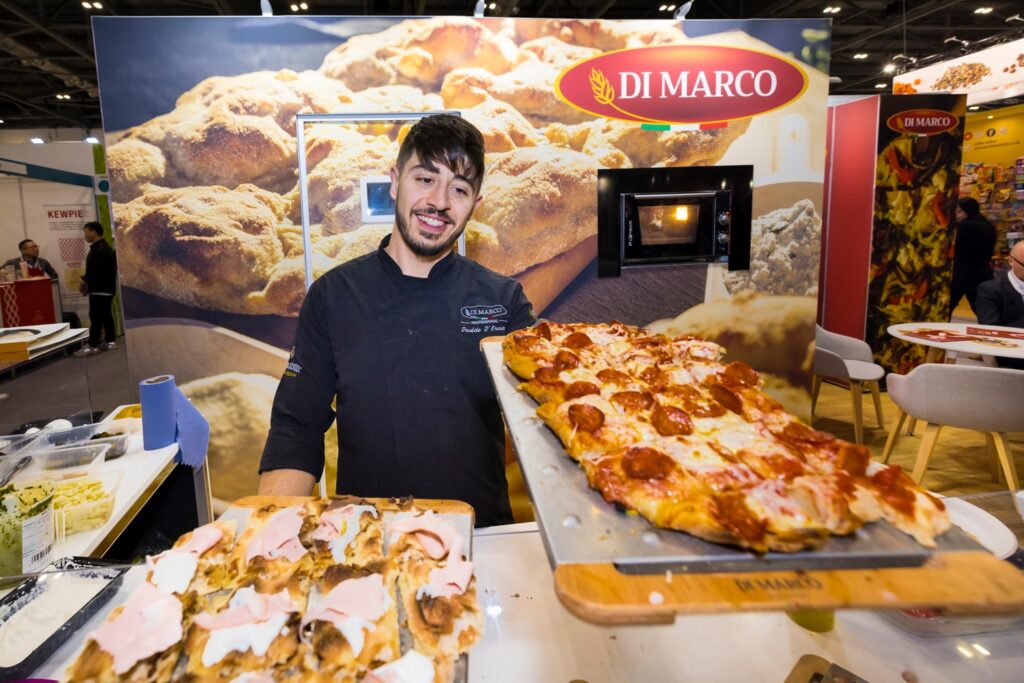
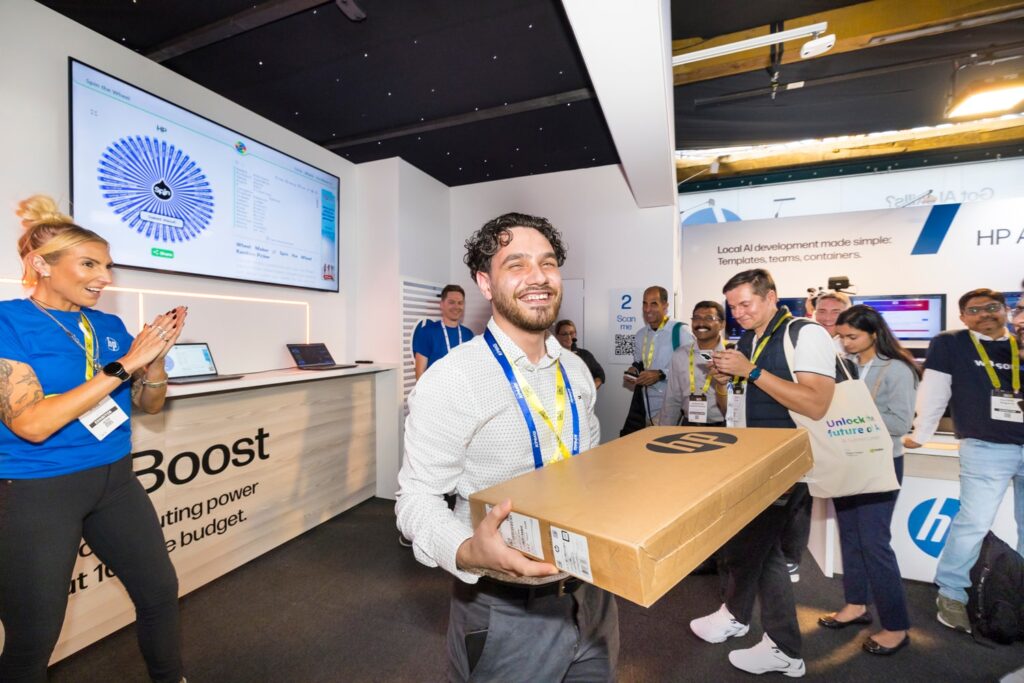
Product sampling can look different depending on what you want to achieve. For instance, you might integrate a pop-up store like we’ve mentioned above – maybe you set up a challenge which allows visitors to win a free sample of your brand’s products. Or you could set up a product demonstration at an event that lets your visitors get hands-on before they buy.
Get creative with it, and give them a solid reason to try your service. Once they do, your brand comes to life in their mind as the brand that offers the product they’ve already connected with.
In-store brand activation
In-store brand activation is another strategy that can go in a few different directions, but the core goal is to engage customers while they’re ready to buy and keep your brand at the top of their mind.
This doesn’t necessarily have to be your own store – in fact, you don’t need to have a store at all.
It could be a digital screen advertising your brand’s service in a shopping centre where hundreds of people are passing by, or a unique product display that catches the eye and sets your items apart from the rest. You can even incorporate product sampling as we’ve mentioned above by hosting workshops or demonstrations to bring your offerings to life.
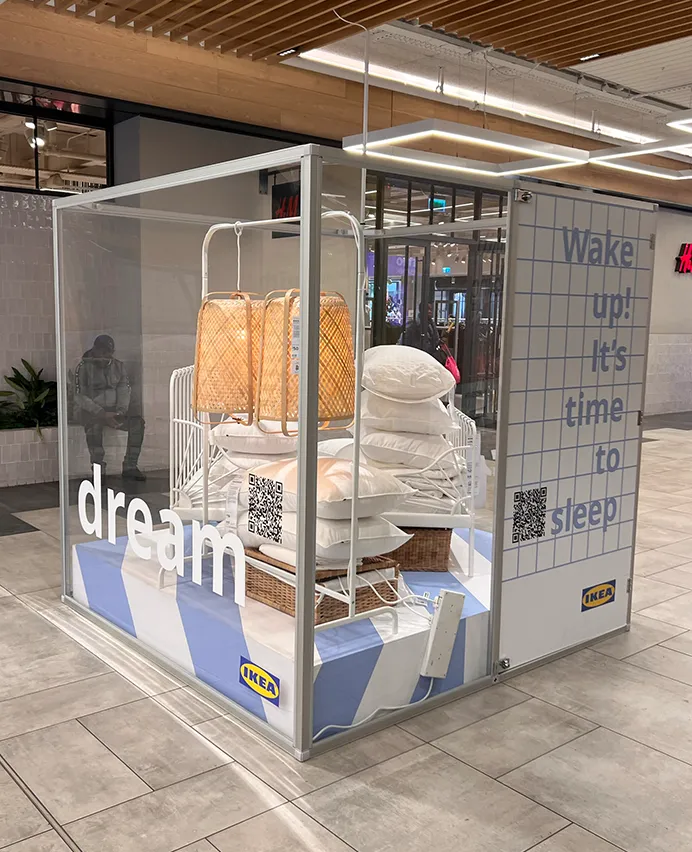
Guerrilla marketing
Guerrilla marketing uses the element of surprise to catch attention. No, that doesn’t mean jumping out at customers from behind walls. What it does mean is doing something unconventional that feels like an event in itself.
Ikea hit the brief on this by launching two rubbish-collecting boats into the River Thames. How was this guerrilla marketing? These boats were designed to look exactly like a larger version of their Smarkryp bath toy. This was an inspired way to stop people in their tracks, whilst showcasing Ikea’s commitment to sustainability.
Social media engagement
The average person spends 145 minutes on social media every day, according to Forbes. That’s an opportunity to increase brand awareness – as long as you have the right strategy.
• Influencer marketing: Partnering with influencers on social media platforms like Instagram connects your brand with someone your audience already knows and trusts. This is an effective way to establish your brand in a way that feels real and grounded.
• Social media photo booths: Social media photo booths naturally spread awareness around your brand activation through encouraging user generated content, and get visitors involved at the same time.
• Promotion posts: If you’re planning a brand activation event, counting down to it on social media creates a buzz that you don’t want to miss out on. Likewise, make sure you promote it throughout – you want to make it clear that something’s going on!

Event marketing
Industry events like trade shows and conferences are one of the most powerful ways to activate your brand. Why? Because your customers are right there, ready to get involved.
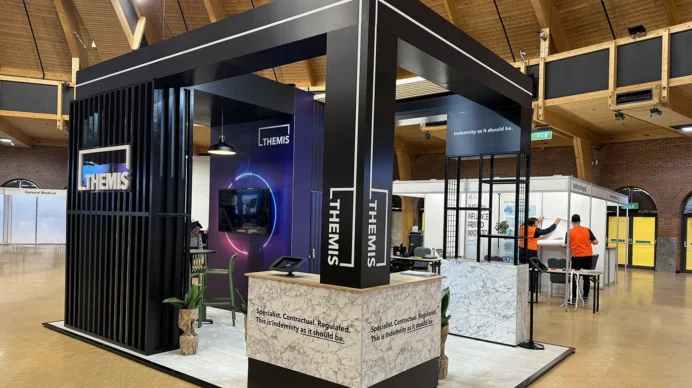
But it’s not just about the conversations. Your brand stand needs to do its part – the more it can say about your brand, the more your audience is already engaged before they speak to a member of your team. A strong stand sets a solid foundation for brand activation.
For instance, this stand we designed for Tarquin’s Cornish Gin immediately brings the brand to life as belonging on the Cornish coast.
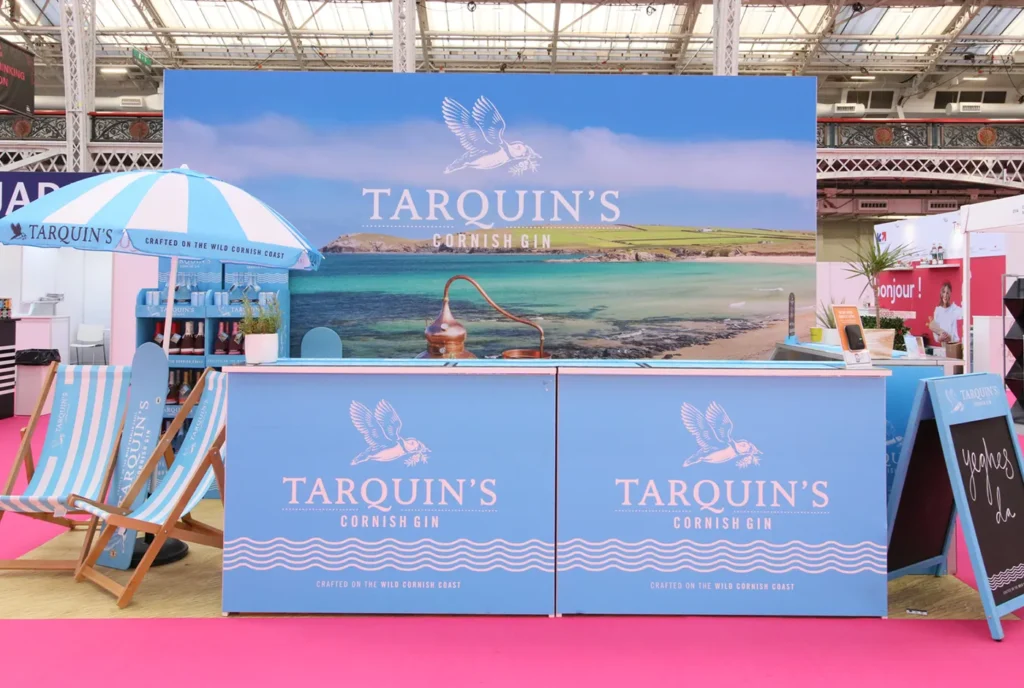
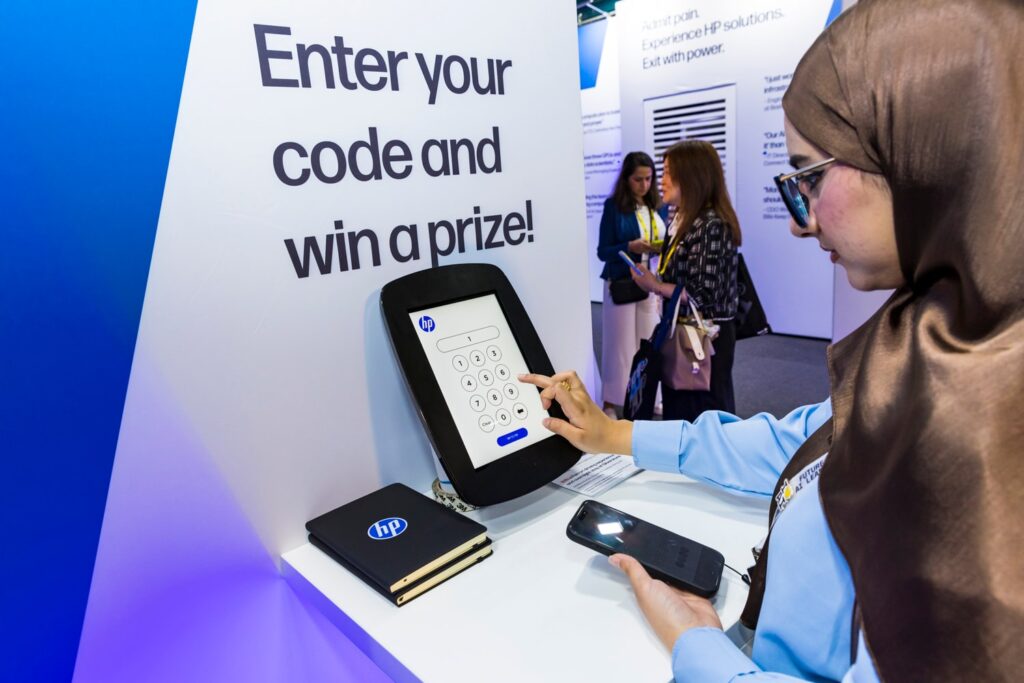
Interactive elements like games and challenges also make highly engaging activations on exhibition stands.
Digital marketing strategies
In brand activation strategies, digital marketing efforts are often used to strengthen in-person campaigns like pop-up experiences, in-store marketing, guerrilla marketing and event marketing.
Brand activations can also happen solely in the digital space, but using them alongside in-person campaigns means your brand is present in more than one space – a powerful way to maximise your reach.
We’ve already mentioned the role of social media here, but digital campaigns can go further to include:
• Email marketing campaigns that reach your audience directly and keep them engaged.
• Website pages dedicated to your activation, giving users all the information they need on how to find them.
VR and AR experiences
Does anything else draw a crowd like bringing the virtual world into the real world?
With Virtual Reality, visitors can race your brand’s new car model – just by putting on a headset. It gives them the opportunity to do something they couldn’t do in real life, whilst activating the emotions of being the driver of this fresh, new car. Add another layer by having them compete with other visitors for the fastest time.
Meanwhile, Augmented Reality lets you bring anything at all to a real-life space – including products or even animation. For instance, you might have a pop-up featuring a stage with a backdrop of static characters. Your visitors scan the QR code on the stage and it opens a website that makes the characters spring to life when their phone camera is pointed at the stage.
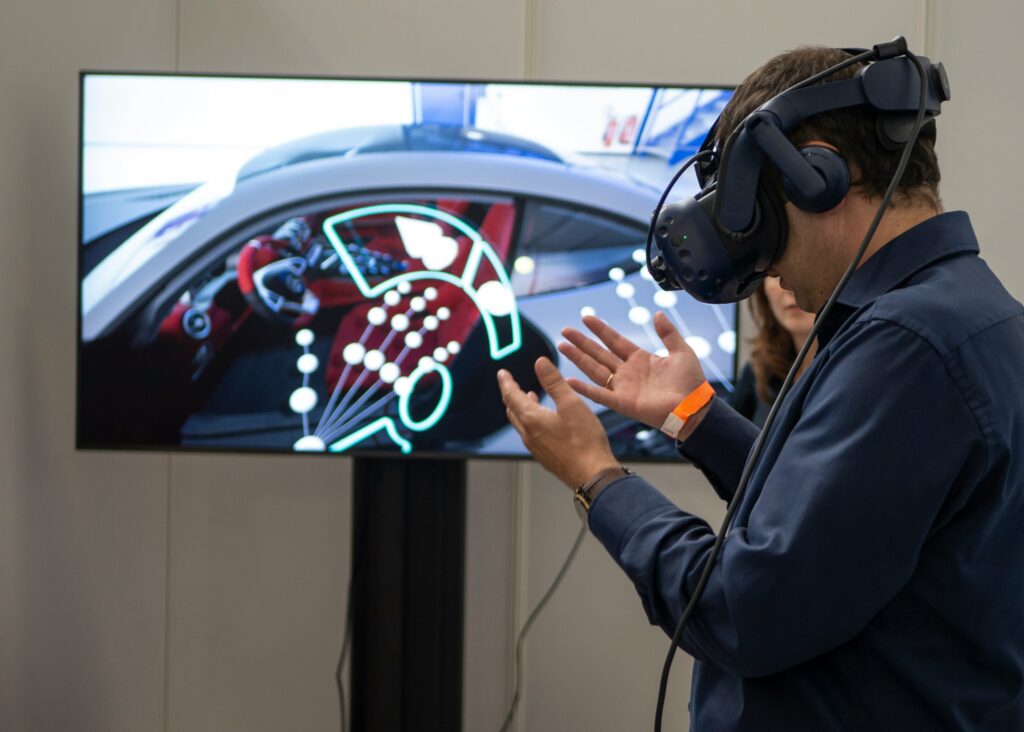
Creating a successful brand activation strategy
You know the types of brand activation – now it’s time to take action. This is where strategy meets creativity, and ideas start turning into impact. Before you dive into build plans or campaign timelines, step back and ask the questions that matter.
What is your product or service’s USP?
Start here. What’s the one thing that sets you apart?
Maybe it’s innovation. Maybe it’s simplicity, speed, or something no competitor can quite replicate. Whatever it is, own it, and let it lead. Your unique selling point should shape every aspect of your activation, informing the messaging, the format, the visuals, and the interaction.
What do your target audience need?
Now shift the spotlight. What does your audience care about? What makes them stop, look, and engage? Are they looking for practical solutions or emotional connection?
Conduct market research to make sure you’ve got the answers to these questions. The more you understand your audience’s needs, the more meaningfully you can connect. The most memorable brand activations are the ones that visitors find real value in.
Which channel fits your goals and audience?
Think carefully about where your audience is most open to interaction. A stand at an exhibition may work brilliantly to boost brand awareness with face-to-face engagement, while an in-store activation might be better for consumer trial. Hybrid campaigns can blend digital and physical touchpoints.
The format should support your goals, fit your audience’s habits, and allow your brand to shine in its best light.
How can you track performance?
Finally, decide in advance what success looks like and make sure you’ve got the tools in place to track it.
Whether it’s the number of leads captured, the number of product demos delivered, or your campaign’s social reach, tracking Key Performance Indicators will give meaning to the effort you’ve invested. This is how you learn what an effective brand activation strategy looks like for your business.

Real-life brand activation examples
Nothing brings brand activation to life like seeing it in action. Here are two standout examples – one from the world of beauty, the other from the world of exhibitions – that show just how powerful brand activation efforts can be.
“Benemart” by Benefit Cosmetics
Benefit Cosmetics reimagined the retail experience with “Benemart” – a bright pink supermarket-inspired pop-up inside Selfridges. Designed to look like a grocery store, the activation featured food-themed packaging for the brand’s beauty products, custom baskets, and retro signage.
By combining pop-up retail with exclusive products and immersive design, Benefit created a standout experience that blended shopping with storytelling – and left customers talking.
Tecna at International Confex 2025
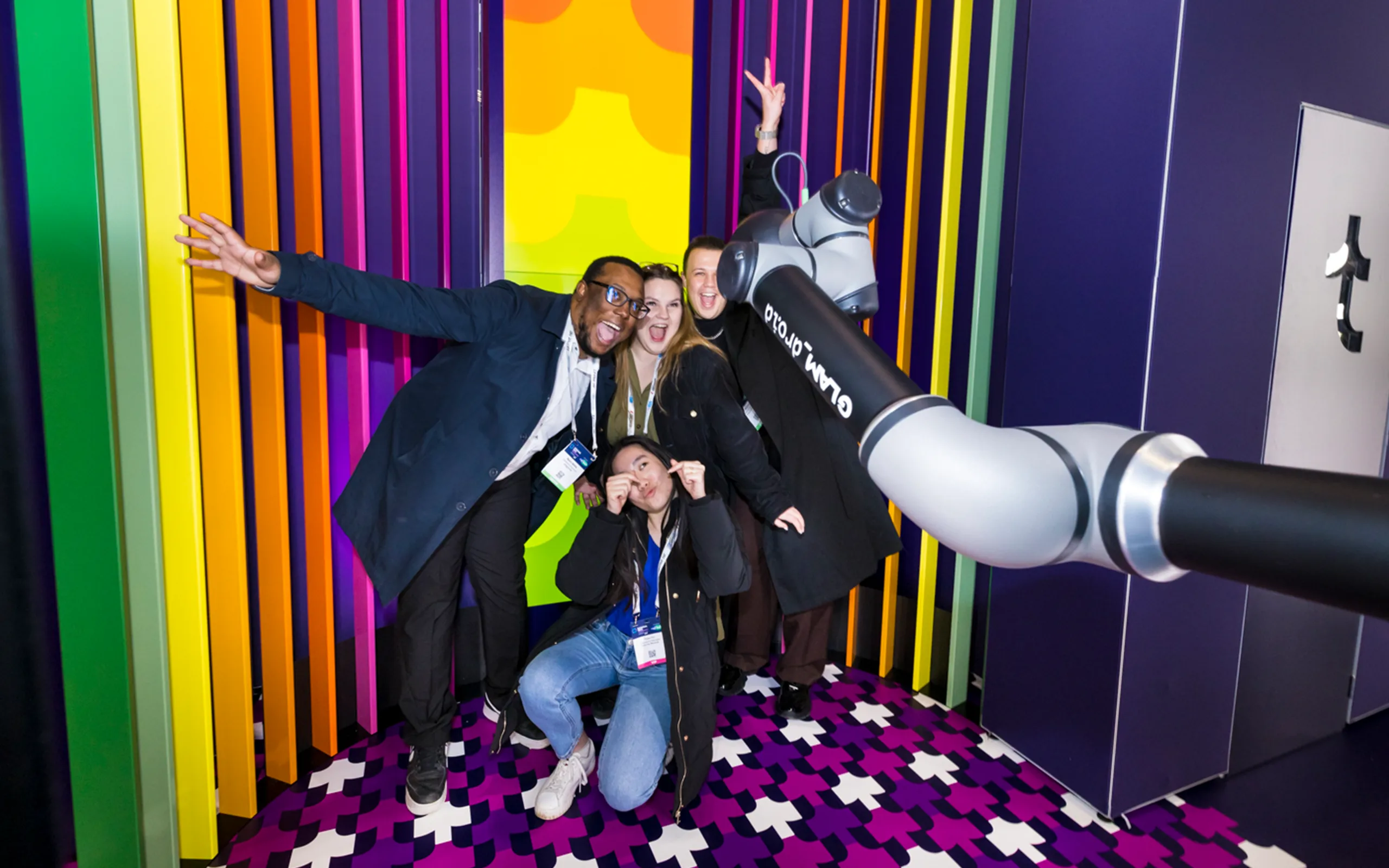
Launching our new brand identity, we turned our stand at Confex 2025 into a live, interactive experience built around energy, engagement, and discovery.
• The Prize Vault offered touchscreen-triggered giveaways that kept visitors returning throughout the day.
• The Glamdroid turned attendees into content creators, giving them high-quality, shareable footage that extended our presence well beyond the event floor.
• The Tecna Vending Machine added a gamified twist, delivering branded giveaways that made the visit tactile, fun, and memorable.
This was Tecna in action – bold, immersive, and built to connect.
For brand activation with no limits: Team Tecna
When it comes to brand activation, we don’t believe in playing small.
At Tecna, we help brands break the mould – whether you’re planning a live event, launching a new product, taking over an exhibition space, or creating a moment your audience won’t forget. From strategic thinking to creative build, we bring your brand activation ideas to life with precision, energy, and a whole lot of experience.
You’ve got the goal. We’ve got the team to make it real.
Let’s create something unforgettable.
Work with Tecna on your next brand activation.
Frequently asked questions
We’ve covered some common questions on brand activation campaigns below.
-
What are brand activation activities?
Brand activation activities are experiences that engage your audience and bring your brand to life in a real, memorable way. These might include experiential marketing events like pop-up experiences, but they can also take place on digital platforms – think social media competitions.
Whilst traditional advertising focuses on direct promotion, the goal with a brand activation activity is to generate buzz and forge lasting emotional connections through creating memorable experiences. All of which contribute to increased brand loyalty.
-
How long does it take to build brand recognition?
How long it takes to build brand recognition depends on your industry, audience, consistency, and how bold your brand is willing to be. Some brands make a splash in months, but most build steadily over years.
What matters most for brand activation building is to show up with clarity, energy, and purpose – again and again. Over time, this not only boosts visibility – it’s powerful for enhancing customer loyalty and opening doors to new audiences who resonate with your message.